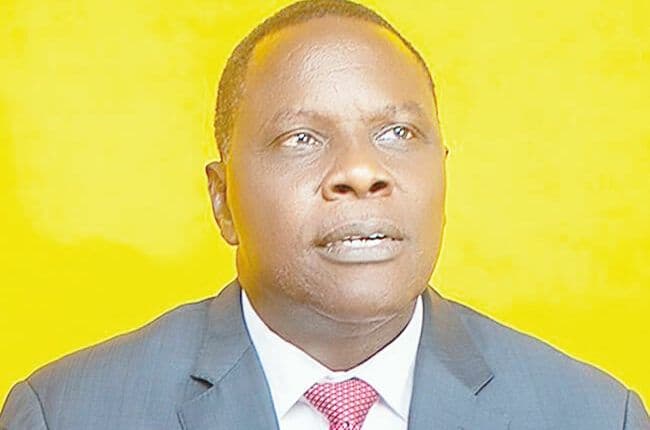


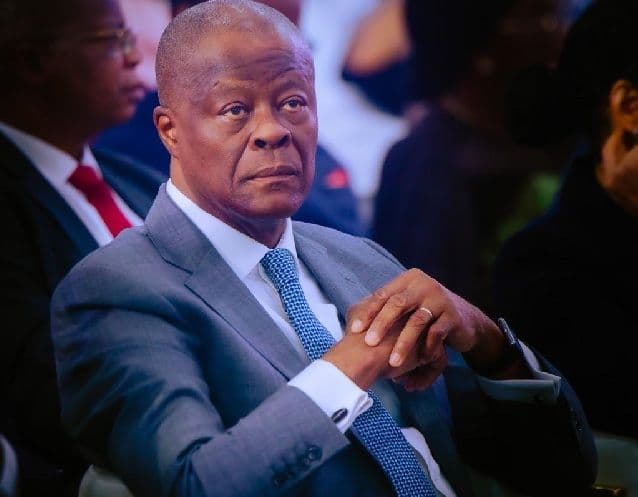
Wale Edun
The removal of Wale Edun as Nigeria’s minister of finance is not an isolated administrative adjustment. It is a revealing moment, one that lays bare a deeper and more troubling question about governance under President Tinubu: Is there still room for truth within the corridors of power?
The sequence of events leading to Edun’s exit is neither speculative nor abstract. It is grounded in verifiable public statements, institutional engagements and observable policy shifts. In September 2025, while addressing stakeholders of The Buhari Organisation at the Presidential Villa, President Tinubu made a bold and unequivocal declaration: “Today I can stand here before you to brag, Nigeria is not borrowing. We have met our revenue target for the year and we met it in August.”
This was not a casual remark. It was a definitive statement of fiscal position projecting strength, sufficiency and a departure from dependency on borrowing. It conveyed to Nigerians and the international community alike that the government had attained a level of revenue performance sufficient to sustain its obligations.
Less than three months later, at the hallowed chamber of the house of representatives, reality intervened.
Appearing before the committees on finance and national planning in December 2025, during deliberations on the 2026-2028 medium-term expenditure framework, Wale Edun presented a starkly different account. He said the federal government was likely to miss its 2025 revenue target by approximately ₦30 trillion and had already borrowed about ₦14.1 trillion to bridge fiscal gaps. This was not conjecture. It was data.
In one moment, the political narrative asserted fiscal sufficiency. In another, the chief economic manager of the federation laid bare a substantial revenue shortfall and significant borrowing. The contradiction was neither subtle nor reconcilable. It was, quite simply, a collision between political optimism and fiscal reality.
Within weeks of this disclosure, key components of Edun’s authority, particularly in revenue generation and fund management, were reassigned to the minister of state. No formal explanation was offered to the Nigerian public. No policy justification was articulated. Yet, within informed circles, the conclusion was immediate and unmistakable: Edun had fallen out of favour. His days, as many quietly observed, were numbered.