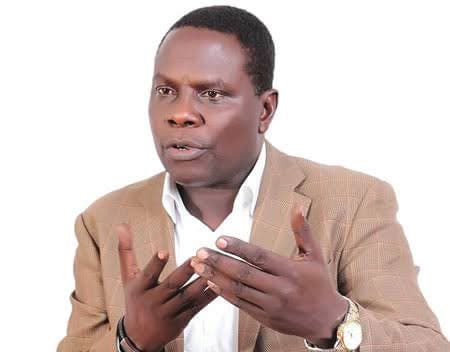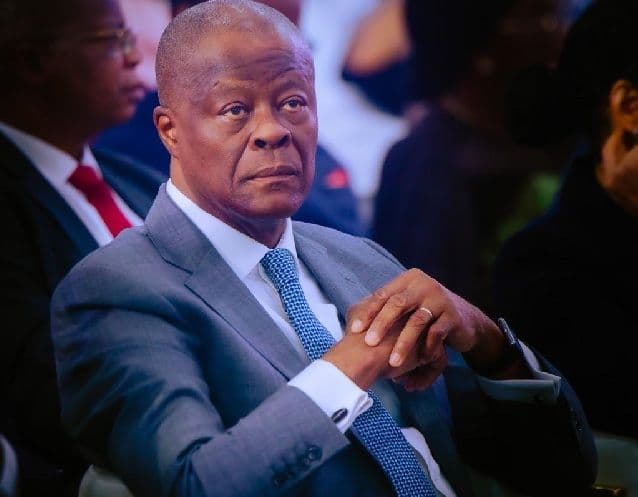


The Cable fact-check, though presented with an air of finality,is at best a narrow textual comparison and at worst a rather complacent dismissal of a far more profound legal concern.Whether the contentious clause in Section 63 was “retained” from the Electoral Act 2022 or subtly reintroduced in the Electoral Act 2026 is frankly, beside the gravamen of the matter.
The real issue one which Barr.Mike Igini has rightly illuminated is the dangerous elasticity embedded in the phrase “where the returning officer is satisfied.” In electoral jurisprudence, such language is not innocuous,it is a fertile ground for manipulation, subjectivity and post election litigation.The law is not merely what is written, but how it is capable of being weaponised in practice.
It is therefore rather pedestrian for any analysis to rest solely on whether “if” has been replaced with “where,” or whether the clause has historical antecedents.Legal continuity does not equate to legal propriety.A flawed provision,if carried forward, does not become sanctified by repetition,it merely perpetuates its mischief.
Igini deserves commendation and not censure, for drawing public attention to a provision that many senior legal practitioners may well have noticed but chosen to ignore.Indeed,it is precisely these seemingly technical clauses these so-called lacunae that courts have, over the years, relied upon to deliver judgments that are at best, controversial and at worst, profoundly injurious to democratic integrity.
As the eminent jurist Lord Denning once observed: “The law does not stand still, it moves continually.Once this is recognised, then the task of the judge is put on a higher plane…to ensure that justice is done.” Yet, where the statutory framework itself is riddled with ambiguity, even the most conscientious adjudicator may find justice elusive.
Cable attempt to dismiss Igini’s intervention on the basis of textual inheritance misses the broader constitutional and democratic implications. The question is not whether the provision existed before, but whether it ought to exist at all in a system striving for electoral credibility.