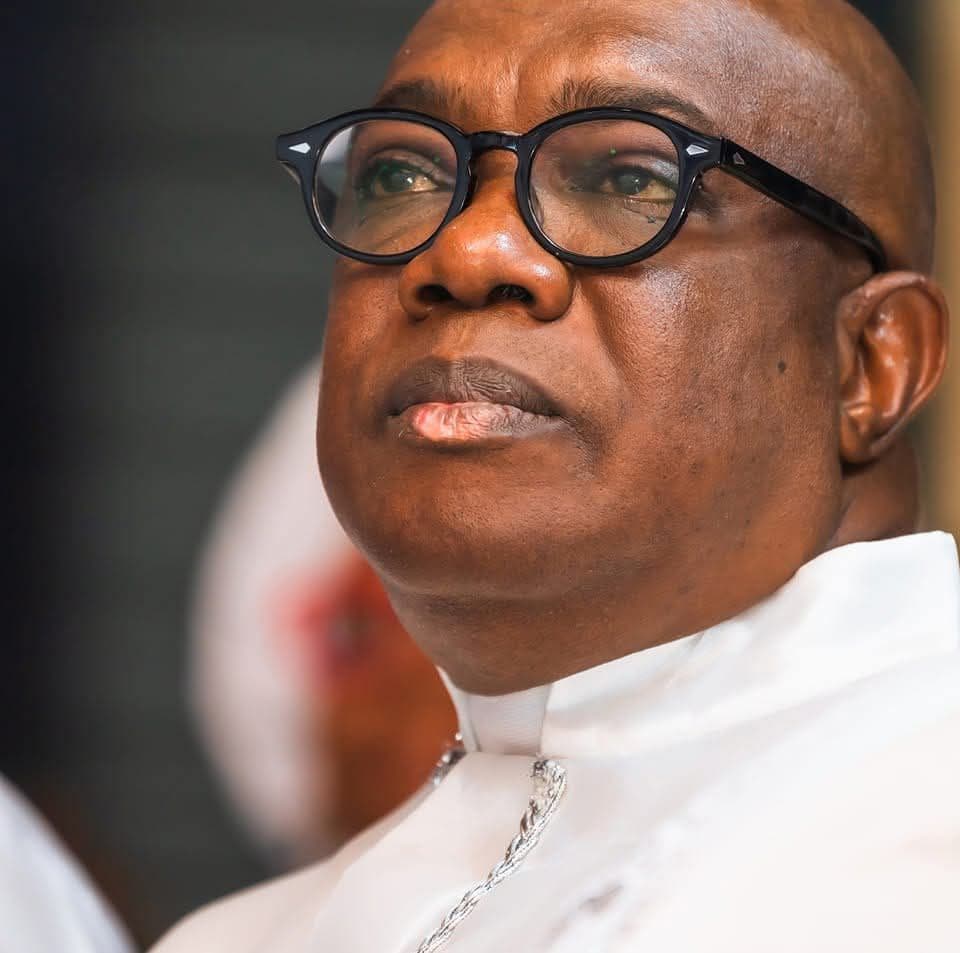



Celebrated Fuji music singer, Alhaji Wasiu Alabi Pasuma, played host to the Editor, FOLORUNSHO HAMSAT, at his Omole, Lagos home some time ago. During the meeting, Paso, as he is fondly addressed by his admirers, gave a sneak peek into his journey in life; from modesty to success. Credited as one of the artistes that creatively blended different styles and cultures to innovate and create new Fuji expressions, and influencing how the genre is composed, performed across the world, Pasuma’s authenticity and ability to make the crowd feel his vibes is legendary. Enjoy the interview…
Can you recall how you made your first ‘demo’ 41 years ago when you started as a singer?
I didn’t make a demo in 1984. I didn’t know what a demo was when I started until I joined Eru Owa Records in 1993. Let me tell you how it all started. I was born in Mushin, Lagos State in 1967. In 1973 when I turned six years old, I started primary education at Muslim Mission School in Sokunbi Street, Mushin. I spent six years in primary school and finished in 1979. I didn’t have a delay in securing admission into Nigerian Model secondary school where I finished Form Five in 1984. But between 1981 and 1983 when we had inter-house sports in school, some of us schoolmates in a group would go to a place to sing and drum. We never thought of going commercial or making money from it in the future. We were just entertaining ourselves. Meanwhile, it was in 1984 when I left secondary school that Alhaji Wasiu Ayinde (K1 De Ultimate) released a musical album titled ‘Talazo ‘84’. So, I felt that if someone could make an impact by doing something that popular and unique and it enjoyed general acceptance in the social arena, I could also do the same thing and become famous. K1 was my inspiration. My first ever day on the stage as a musician was June 14, 1984. My second show on the stage was performed two weeks after on June 28, 1984.
Did you start professionally as a singer or instrumentalist?
I started as a drummer with one of my masters called Lukmon Ajao around 1981 and 1982. He was living at Suwebatu Ajala Street, Oshodi then. I was beating ‘omele’ (a smaller version of the talking drum) in the band. I would leave the school with some of my friends and followed Lukmon Ajao around the town. At some points, I abandoned school and stayed with the band until my mother came to take me back to school. Later, I left Alhaji Lukmon Ajao and joined the band of Alhaji Muyideen Aremu who is known as ‘Kamulasa’. It was when I joined Muyideen Aremu that I became a backup vocalist alongside Ramoni who later became Chief Adewale Ayuba’s back-up singer. That was where I started as a vocalist before I became professional by God’s grace.