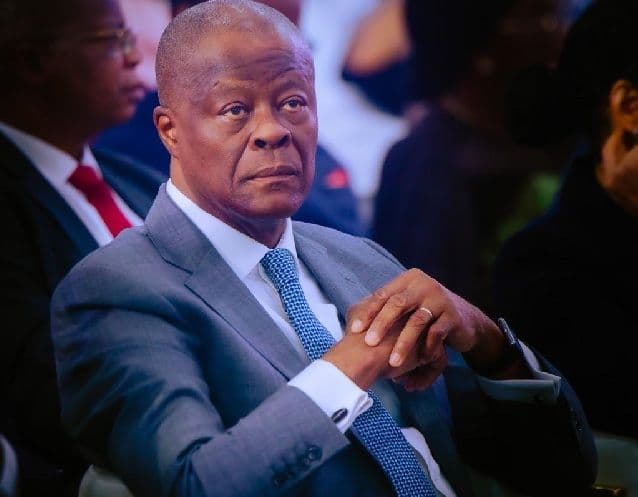



Gov. Dapo Abiodun
The nation is fast inching toward the 2027 general election,and there’s a predictable transition that is unfolding. Some of the second-term governors are already repositioning for seats in the National Assembly as their natural retirement home. They are seeking to convert executive visibility into legislative relevance.
Outgoing Ogun State Governor, Mr. Dapo Abiodun, is among them. He is aiming to replace the incumbent senatorand one of his predecessors, Otunba Gbenga Daniel, in Ogun East.
Yet, beneath this ambition lies a question that cannot be glossed over: does executive experience automatically translate into legislative competence? Evidently, it does not.
Unarguably, governance at the executive level is defined by control over budgets, projects and administrative machinery. The legislature, however, operates differently.
It demands influence without direct control, effectiveness without execution and results shaped through lawmaking, oversight and negotiation. The transition is not automatic; it must be earned.
On paper, Ogun State’s fiscal priorities appear robust. Budgets running into hundreds of billions of naira consistently highlight infrastructure and healthcare. But budgets are declarations; governance is delivery.
Regrettably, across Ogun East, especially in rural and semi-urban areas, the outcomes tell a more complicated story. Road networks remain uneven, limiting mobility, slowing emergency response, and constraining economic activity.
Infrastructure, in this sense, is not just a development yardstick, it is the backbone of every other system. Where it is weak, everything else falters.
Illustratively, nowhere is this more evident than in Dapo Abiodun’s emergency healthcare logistics. The state’s use of tricycles as response vehicles has been presented as innovation. In reality, it reflects something more troubling: an adjustment to limitations rather than a resolution of them.
Emergency response is not an area for compromise. It depends on speed, coordination and capacity. Improvisation may be necessary in the short term, but when it becomes a sustained approach, it signals a deeper policy problem and questions leadership capacity.